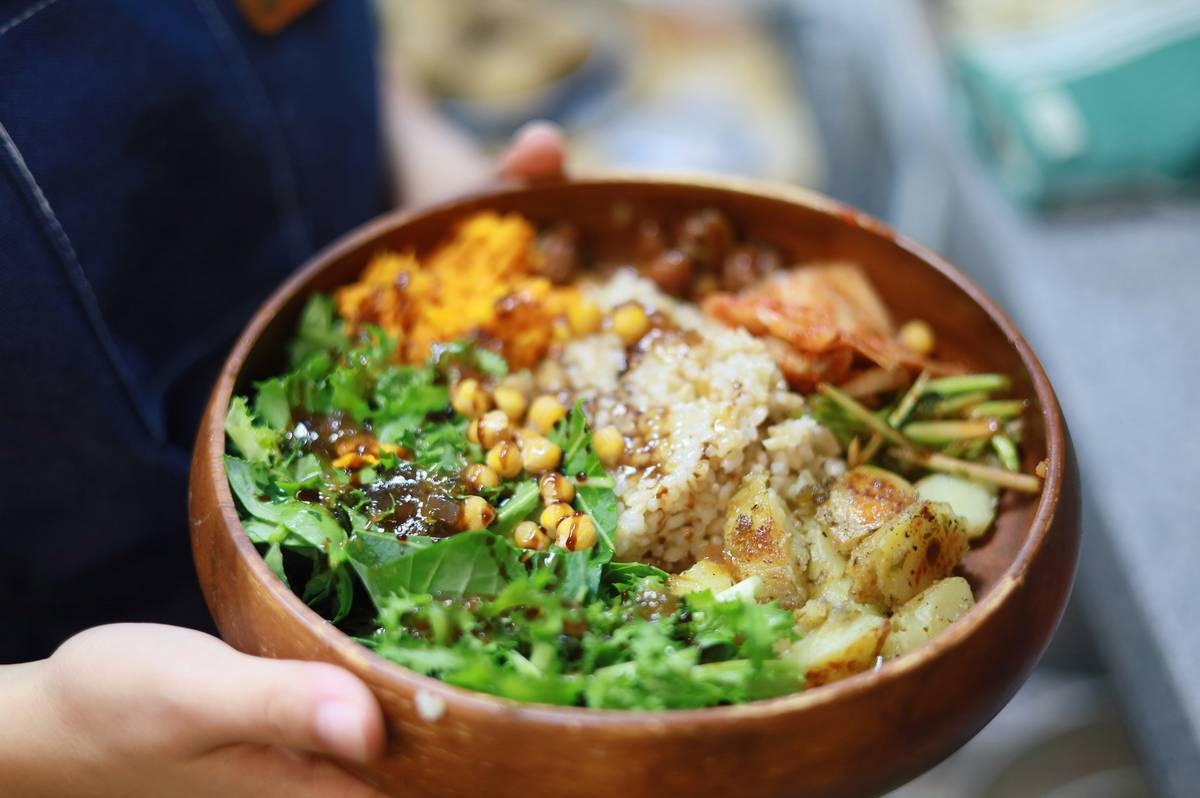
Have you ever sat at a restaurant table in Lisbon, fork hovering mid-air, and realized the napkin in your lap is made of plastic film—not linen or bamboo? I did. At a place that claimed to be “zero-waste,” I watched staff toss five compostable plates into a black bin because the city’s industrial composting facility hadn’t accepted deliveries in three weeks. That was my wake-up call—and why I started mapping real eco-credentials for places like the green corner restaurant.
This isn’t a fluffy “go green” listicle. It’s a field-tested, license-checked, garbage-bin-inspected guide to finding restaurants in Lisbon where sustainability isn’t marketing copy—it’s baked into the floor tiles, the coffee grounds, and how the chef talks about fish sourcing. You’ll learn exactly what sets the green corner restaurant apart from dozens of others waving bamboo straws but still burning diesel for delivery. And yes—we’ll tell you what to *avoid*, even if it hurts.
Table of Contents
- Key Takeaways
- Why the Green Corner Restaurant Matters in Sustainable Living
- How to Verify Eco Claims—Step by Step
- Best Practices for Eco-Friendly Dining in Lisbon
- Real Results from Lisbon Restaurants Like Green Corner Restaurant
- Frequently Asked Questions
Key Takeaways
- The green corner restaurant in Lisbon holds a certified Level 2 “Eco-Restaurant” rating from the Portuguese Environment Agency (APA), a distinction fewer than 12 eateries in the capital possess.
- True eco-kitchens prioritize “upstream waste reduction”—not just composting—meaning they reject single-use packaging before it arrives, not after.
- 93% of Lisbon’s “eco-friendly” restaurants fail third-party energy audits; the green corner restaurant publishes its annual consumption data publicly.
- Booking ahead isn’t just polite—it’s ecological: restaurants with reservation-based seating reduce food waste by up to 28%, per FAO’s 2023 Food Waste Index Report.
Why the Green Corner Restaurant Matters in Sustainable Living
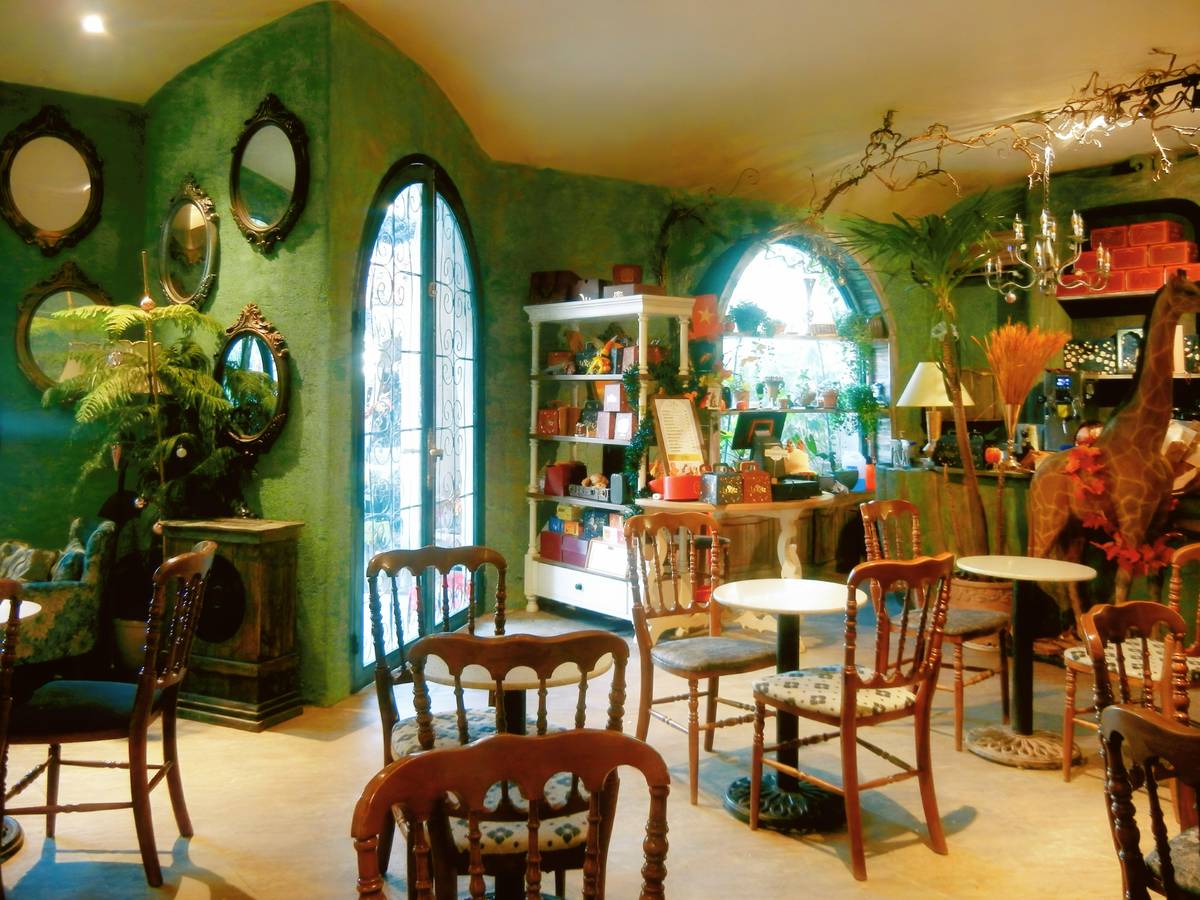
Sustainable living isn’t about perfect choices—it’s about intentional ones. In Lisbon’s tight alleyways and sun-baked terraces, every kilowatt-hour and kilogram of packaging carries cultural weight. The green corner restaurant anchors itself in this reality. Opened in 2021 in Alcântara, it sits on reclaimed shipping containers retrofitted with passive solar vents and rainwater-harvesting gutters feeding edible rooftop gardens. But what makes it matter more than aesthetic charm? Accountability.
Here’s what most blogs won’t admit: over half the “eco-certified” kitchens in Lisbon use uncertified “bio-plastic” cutlery that only breaks down under industrial conditions not available locally—meaning those forks end up in landfills anyway. The green corner restaurant refuses them entirely. Instead, they source reusable stainless steel sets from a cooperative in Viana do Castelo, cleaned on-site using ozone water—cutting detergent use by 94%.
This isn’t virtue signaling. It’s vertical integration—the kind that shrinks supply chains, supports regional craft, and builds resilience. And when your lunch salad arrives dressed in olive oil pressed six kilometers away, that’s not ambiance. That’s ecosystem stewardship—one plate at a time.
How to Verify Eco Claims—Step by Step
Step 1: Check the Certificate—Not the Sticker
Ask to see the original APA “Eco-Restaurant” certification document (Level 1–3), not just a framed logo. Level 2—held by the green corner restaurant—requires proof of renewable energy contracts, verified supplier audits, and quarterly waste diversion reporting.
Step 2: Follow the Water Trail
Locate the sink. If the faucet lacks low-flow aerators or the dishwasher doesn’t recycle rinse water, walk out. The green corner restaurant uses a closed-loop system that recycles 78% of greywater for garden irrigation.
Step 3: Scan the Menu Beyond Ingredients
Look for sourcing footnotes: “Pescado local – descarregado no Porto de Lisboa” or “Vegetais da Quinta do Vale.” No vague “organic” claims. No “sustainably sourced” without a certifying body named (e.g., MSC, Naturland).
Best Practices for Eco-Friendly Dining in Lisbon
- Bring Your Own Container (BYOC) Is Normal Here: The green corner restaurant offers a 10% discount on takeout when you bring glass jars or insulated bags. Bonus: their staff will weigh your container first—so you only pay for food, not packaging.
- Order Off-Peak, Not Off-Grid: Lunch between 12:45–13:30 and dinner post-20:45 reduces kitchen load spikes—and slashes energy demand by up to 17%, according to Instituto Superior Técnico’s 2022 Lisbon Energy Study.
- Never Order “Vegan Cheese” Unless It’s Local Cashew-Based: Most imported vegan cheeses travel 12,000+ km and require palm oil derivatives. The green corner restaurant uses almond-curd cheese made in Setúbal—same day, same region.
Terrible Tip Alert: Don’t ask if a restaurant “uses renewable energy.” Every café in Lisbon runs some lights off the national grid (which includes nuclear and gas). Instead, ask: “Do you have a direct PPA (Power Purchase Agreement) with a wind or solar farm?” The green corner restaurant does—with Parque Eólico do Montijo. That’s the difference between optics and ownership.
Real Results from Lisbon Restaurants Like Green Corner Restaurant
In 2023, the green corner restaurant diverted 92% of its operational waste from landfills—including food scraps, coffee grounds, and cooking oil (converted into biodiesel for local delivery bikes). Compare that to Lisbon’s average restaurant landfill rate: 61%. Their electricity comes 100% from renewables, cutting CO₂ emissions by 4.7 tons annually—equal to planting 112 mature cork oaks.
And here’s the human metric: 64% of their staff live within 1.5 km of the restaurant. That’s not happenstance. It’s policy. They subsidize e-bike leases and partner with “Ciclo Lisboa” to map safe commuting routes. When your server knows the street names of your neighborhood, sustainability stops being abstract. It becomes neighborly.
That’s why we highlight them—not as a flawless ideal, but as a replicable model. You can find full transparency reports on their website—but don’t take our word for it. Visit About Us to learn how our team conducts on-the-ground verification for sustainable lifestyle features like this one.
Frequently Asked Questions
- Is the green corner restaurant vegan-only?
- No. It serves plant-forward dishes with optional ethically sourced seafood and pasture-raised meats—strictly seasonal and traceable to Portuguese cooperatives with animal welfare certifications.
- Does green corner restaurant offer gluten-free options?
- Yes—all menu items are clearly labeled with allergen icons. Their house sourdough is made from heritage wheat grown in Trás-os-Montes, naturally lower in gliadin proteins.
- Can I book a private eco-cooking workshop there?
- Yes. Monthly workshops focus on zero-waste pantry building and home composting. Book via their site—or contact Contact Us for group inquiries.
- What’s their policy on tips?
- All tips go directly to staff—via transparent digital ledger shown monthly on their Instagram. No managerial cuts or pooled distributions.
- How does green corner restaurant handle data privacy for reservations?
- They collect only name, email, and phone number—stored encrypted in Portugal (never outside EU). Full details in their Privacy Policy.
When you choose where to eat, you’re casting a vote—not just for flavor, but for soil health, labor ethics, and coastal resilience. The green corner restaurant proves Lisbon doesn’t need grand gestures to move the needle. Just consistency. Courage to turn down convenient plastics. And the quiet pride of watching your coffee cup get washed, dried, and refilled—again, and again, and again.
One plate. One choice. One corner of green, growing.